
Services
Product Design
Conceptual Product Design
Roles
Design | Researcher

83% of consumers feel confused about ingredients on food labels
〰️
9.8T global wellness market projected by 2029
〰️
96% parents say they struggle to identify safe products for children
〰️
81% rise in clean label product searches since 2020
〰️
35% won't buy a product when they find confusing ingredients.
83% of consumers feel confused about ingredients on food labels 〰️ 9.8T global wellness market projected by 2029 〰️ 96% parents say they struggle to identify safe products for children 〰️ 81% rise in clean label product searches since 2020 〰️ 35% won't buy a product when they find confusing ingredients.
WHAT & WHY
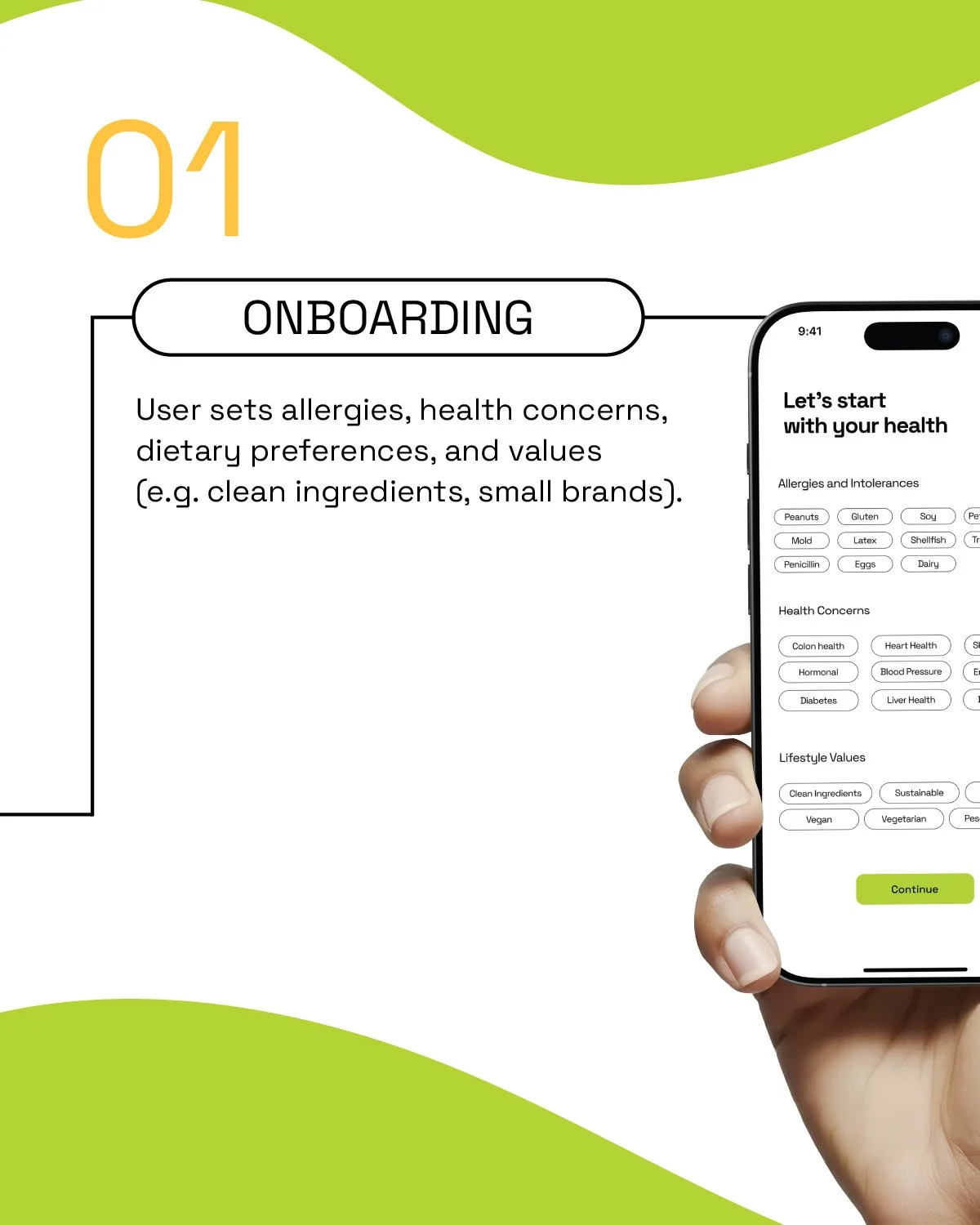
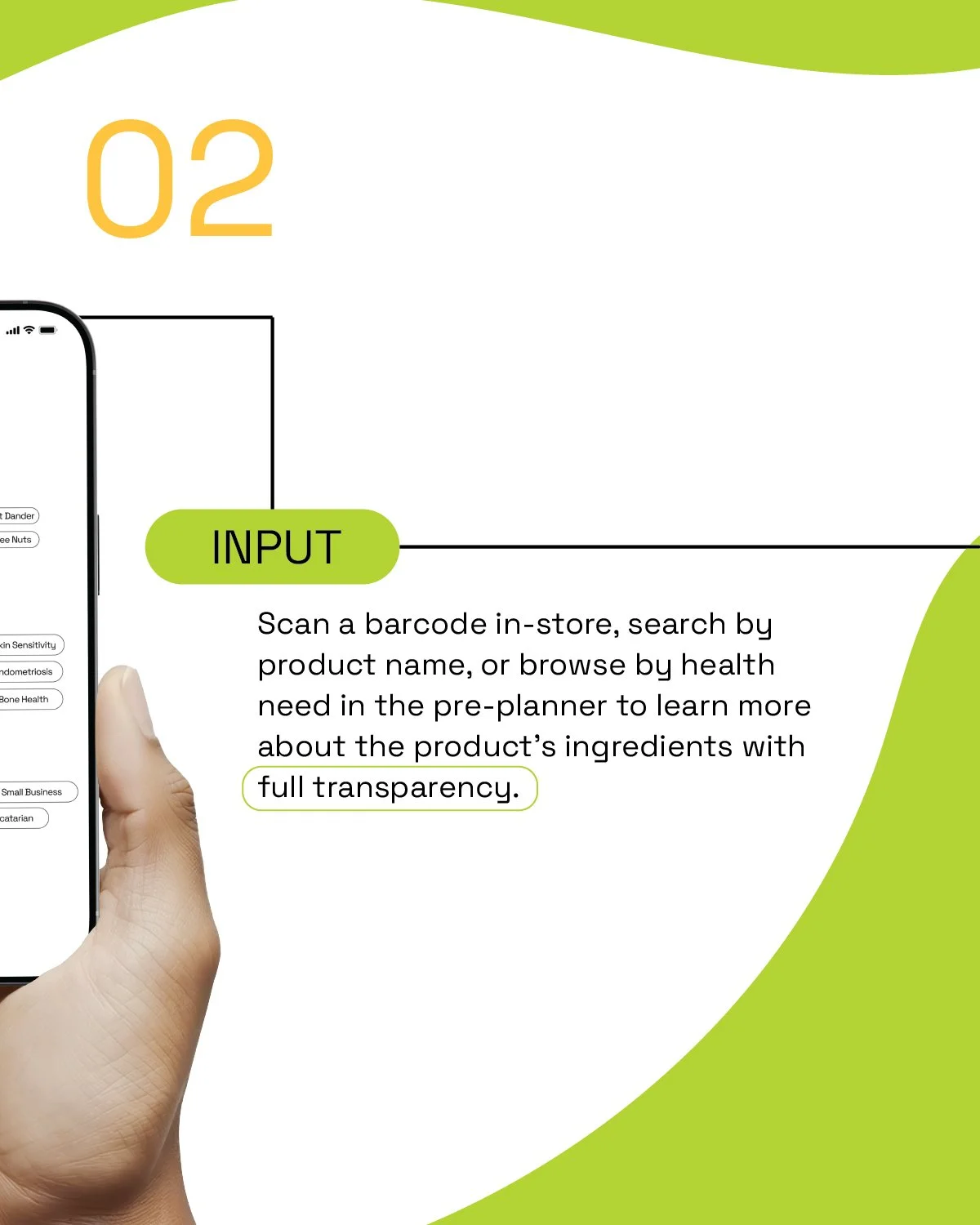
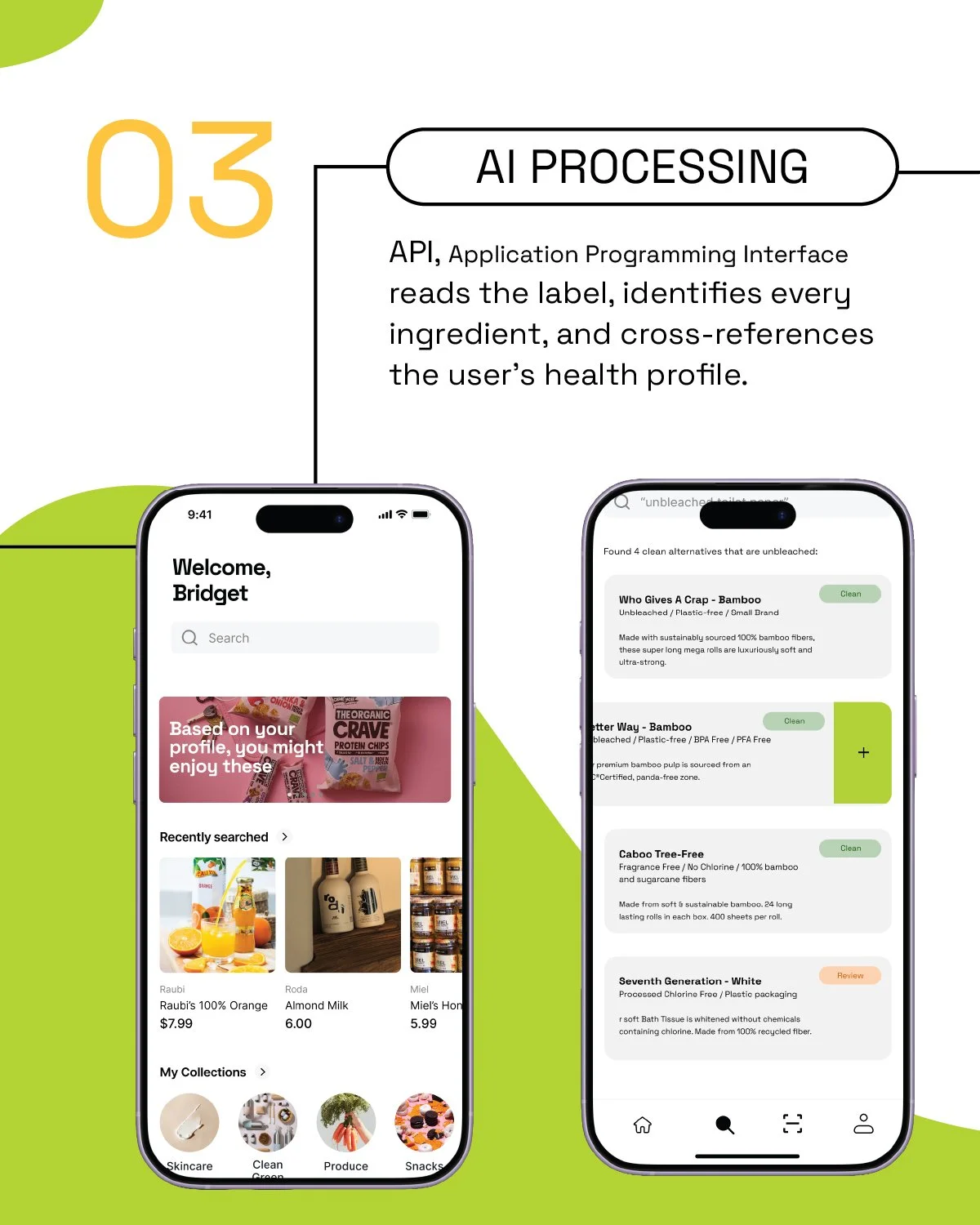
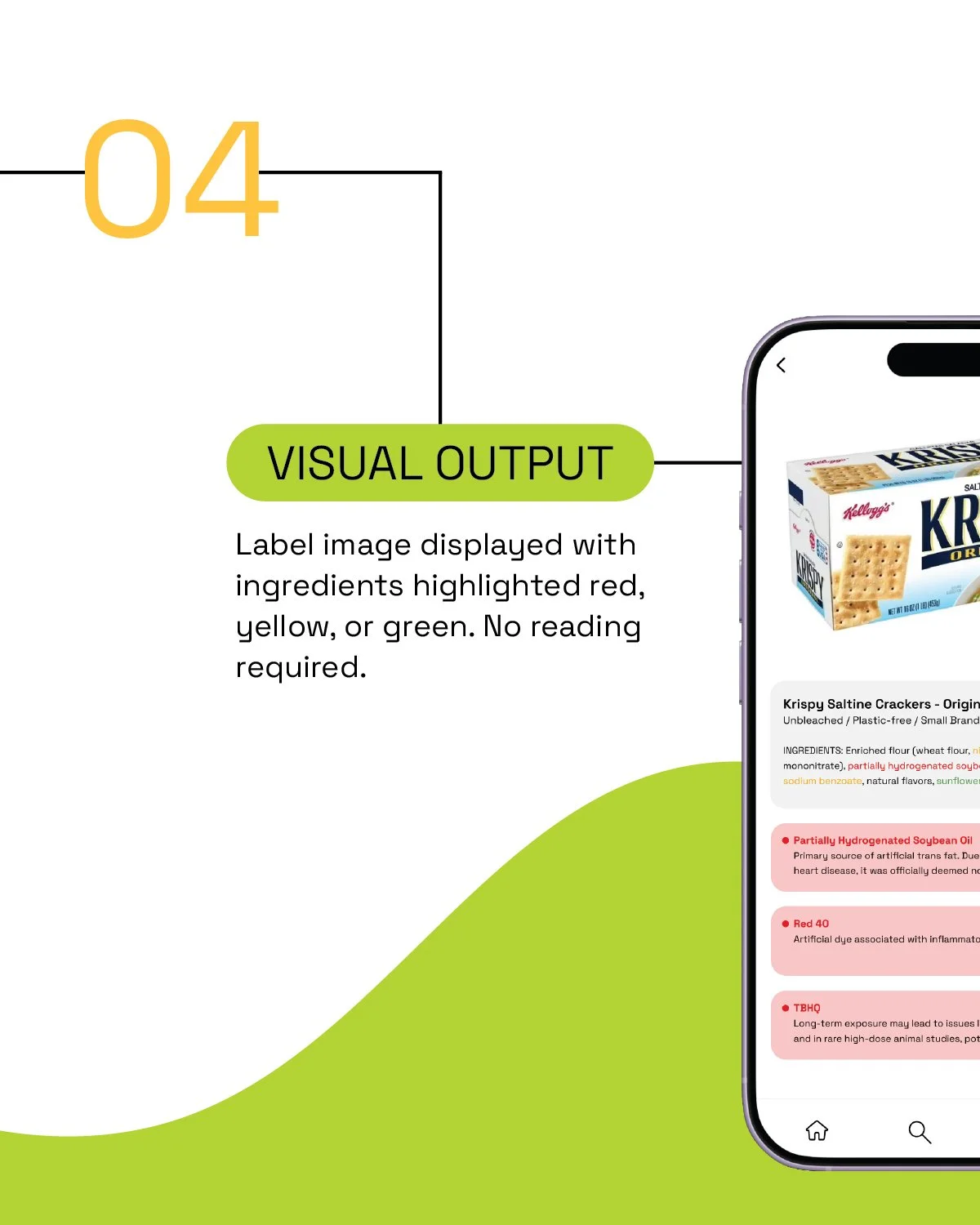
Clayr bridges the growing gap between consumer health awareness and the complexity of modern product labels. Using an actual networking database, Clayr reads any product label, scanned in-store or searched from home, and instantly highlights concerning ingredients based on your personal health profile.
The result is a deeply personal, visually intuitive companion that empowers people to make genuinely informed decisions about everything they bring into their homes and bodies.
PROBLEM SPACE
Three compounding forces are creating a real and urgent need for ingredient transparency tools, and existing solutions only partially address them.
-
Most product labels are deliberately complex. Chemical synonyms, obscure preservatives, and industry-approved additives hide in plain sight.
The average consumer lacks the scientific literacy to decode what they're reading and can't be expected to cross-reference every ingredient before purchase. -
Allergy rates, autoimmune conditions, and dietary sensitivities are all increasing. For these consumers, the stakes of a "wrong" purchase go beyond preference. It's a genuine health risk. They need a tool that understands their specific conditions, not a generic warning list.
-
More people than ever care about what they put in and on their bodies but awareness doesn't automatically translate into action.
The friction of researching ingredients in the moment is too high. Clayr removes that friction entirely, making healthy decisions the path of least resistance.
TARGET AUDIENCE
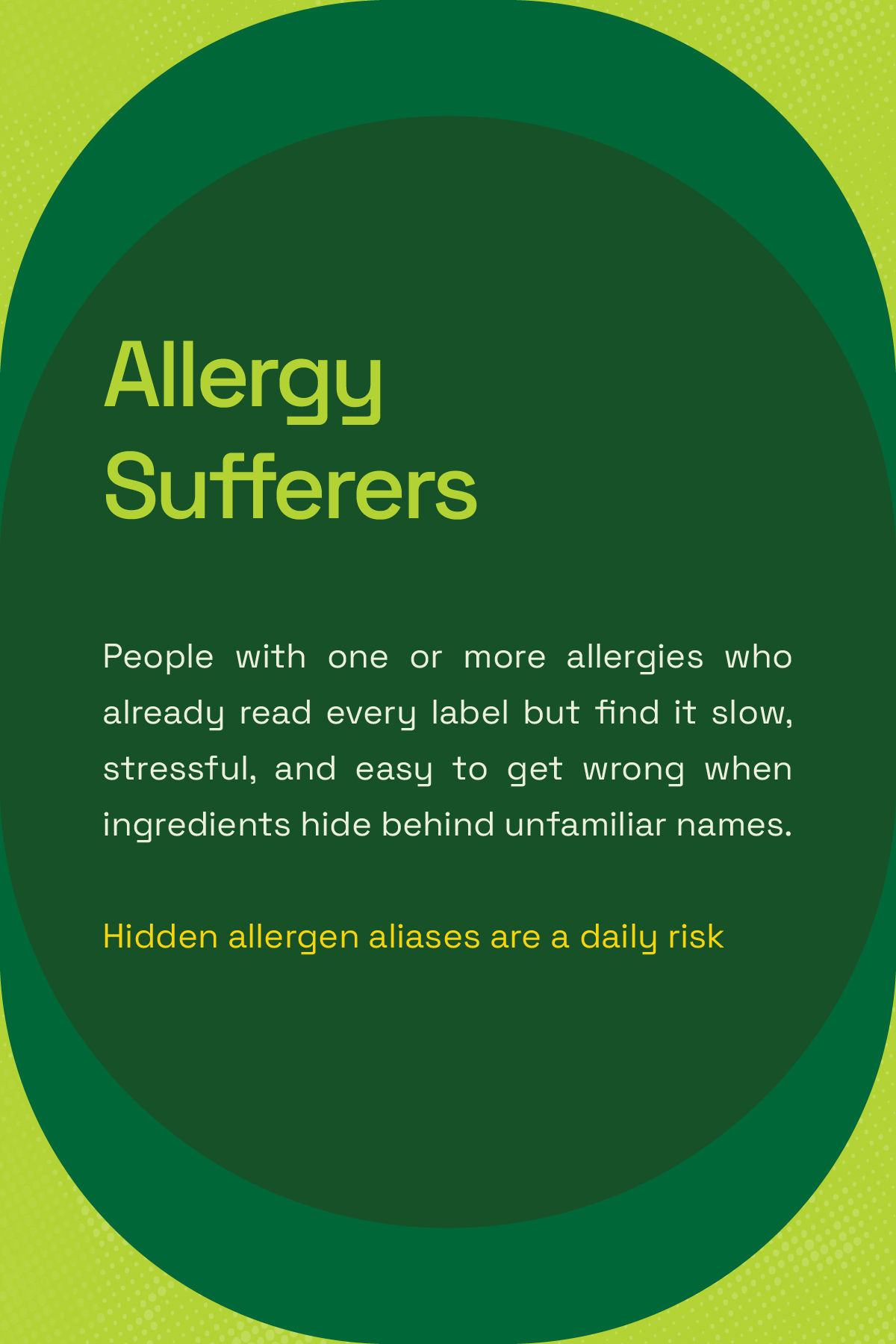
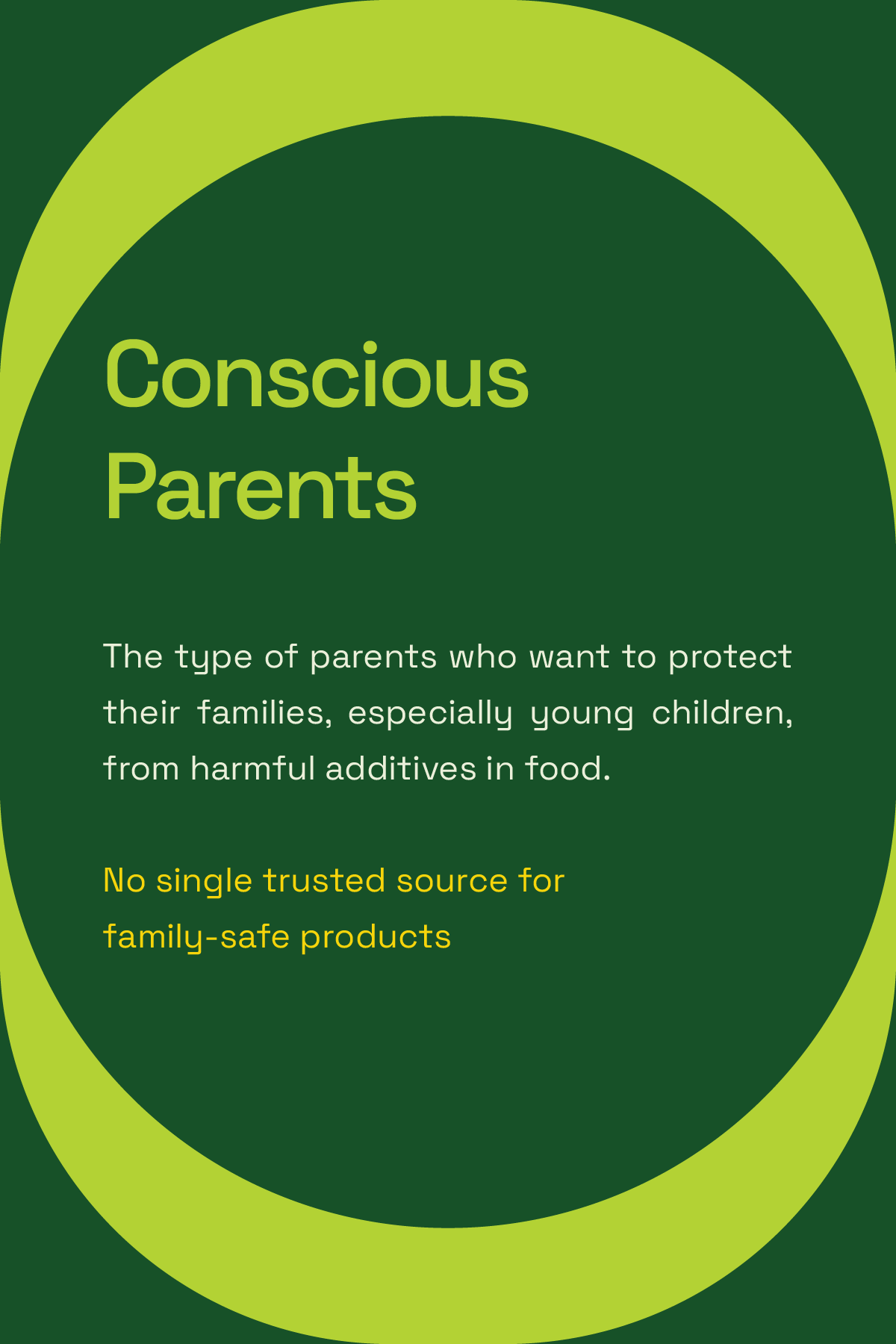
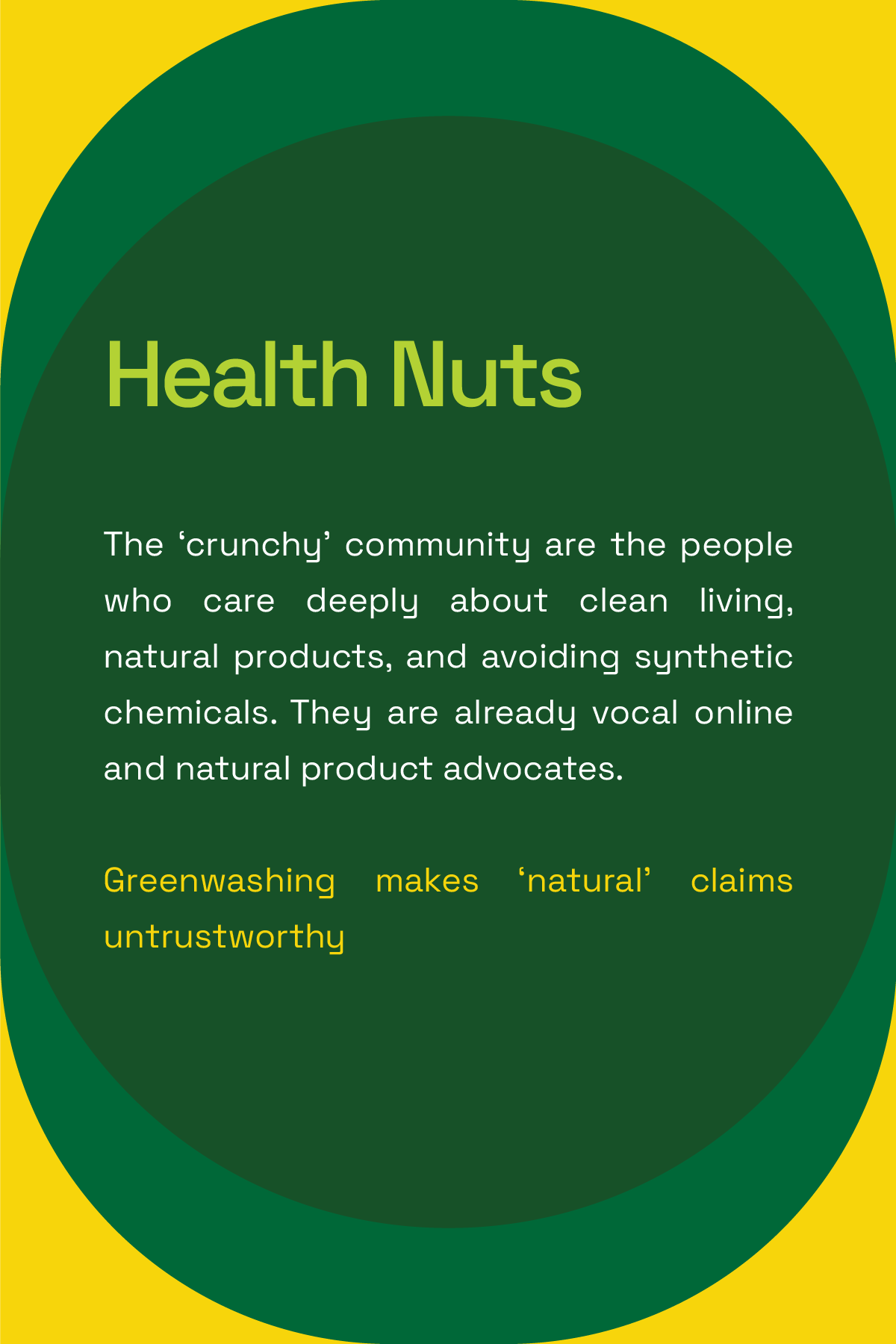
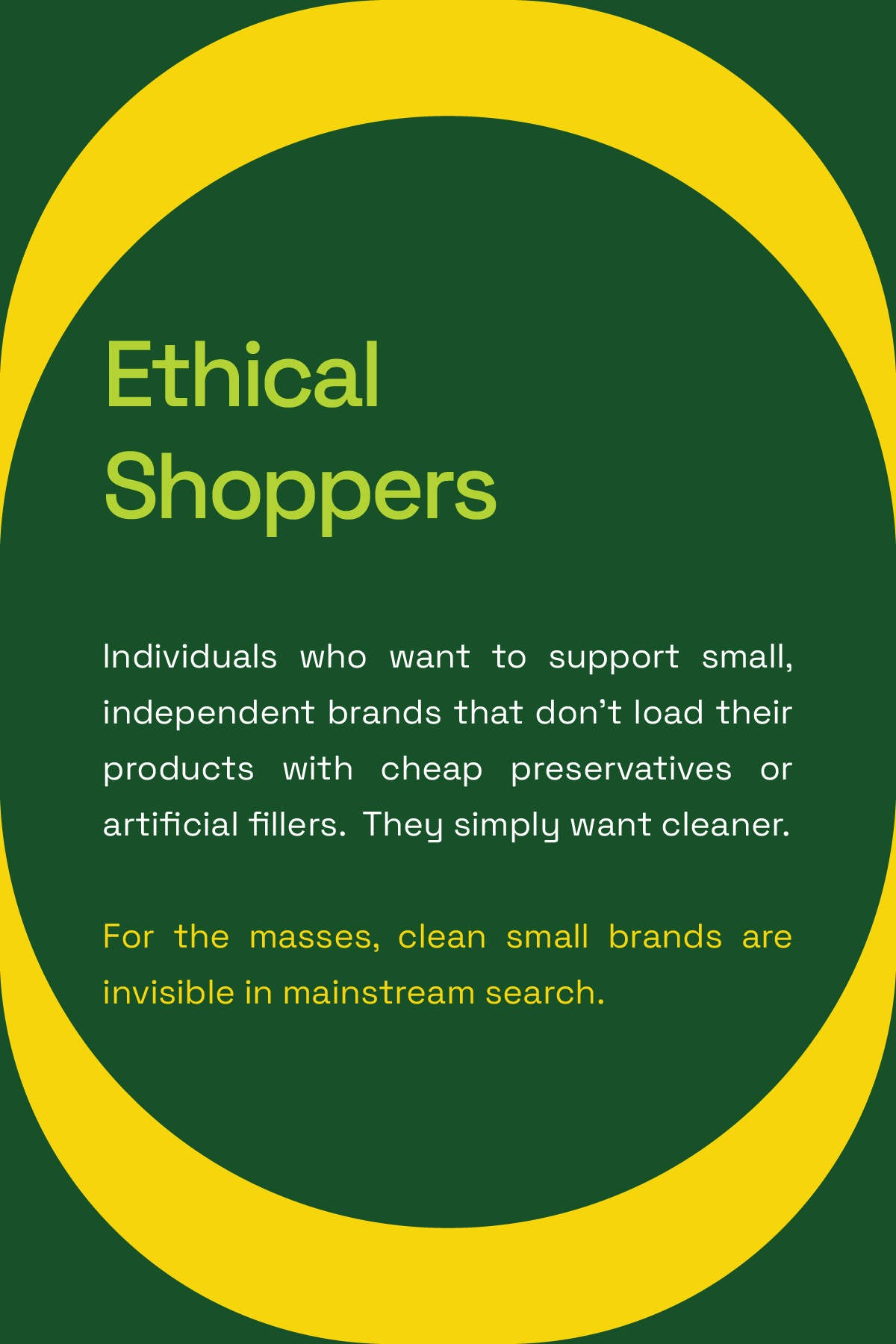
USER FLOW
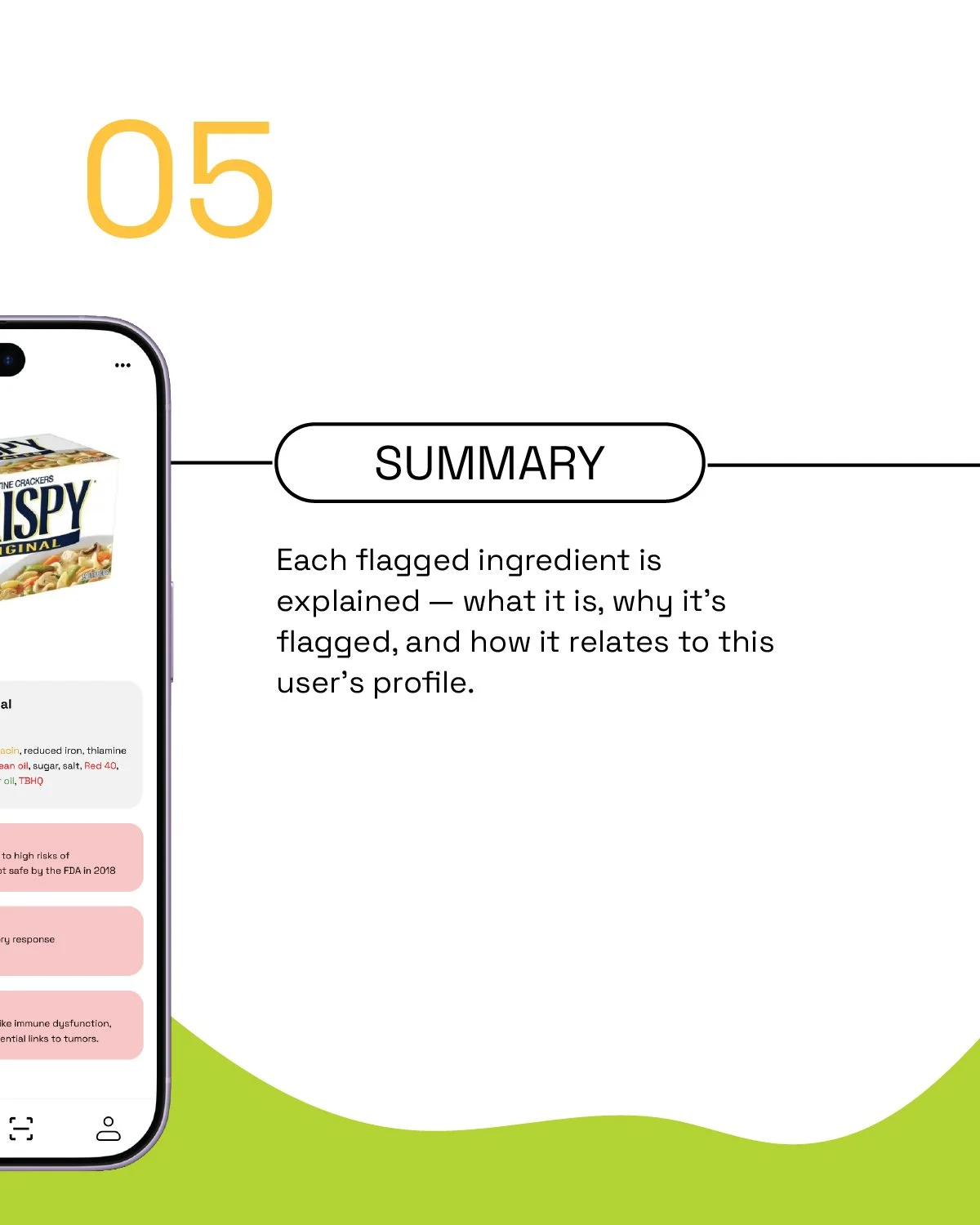
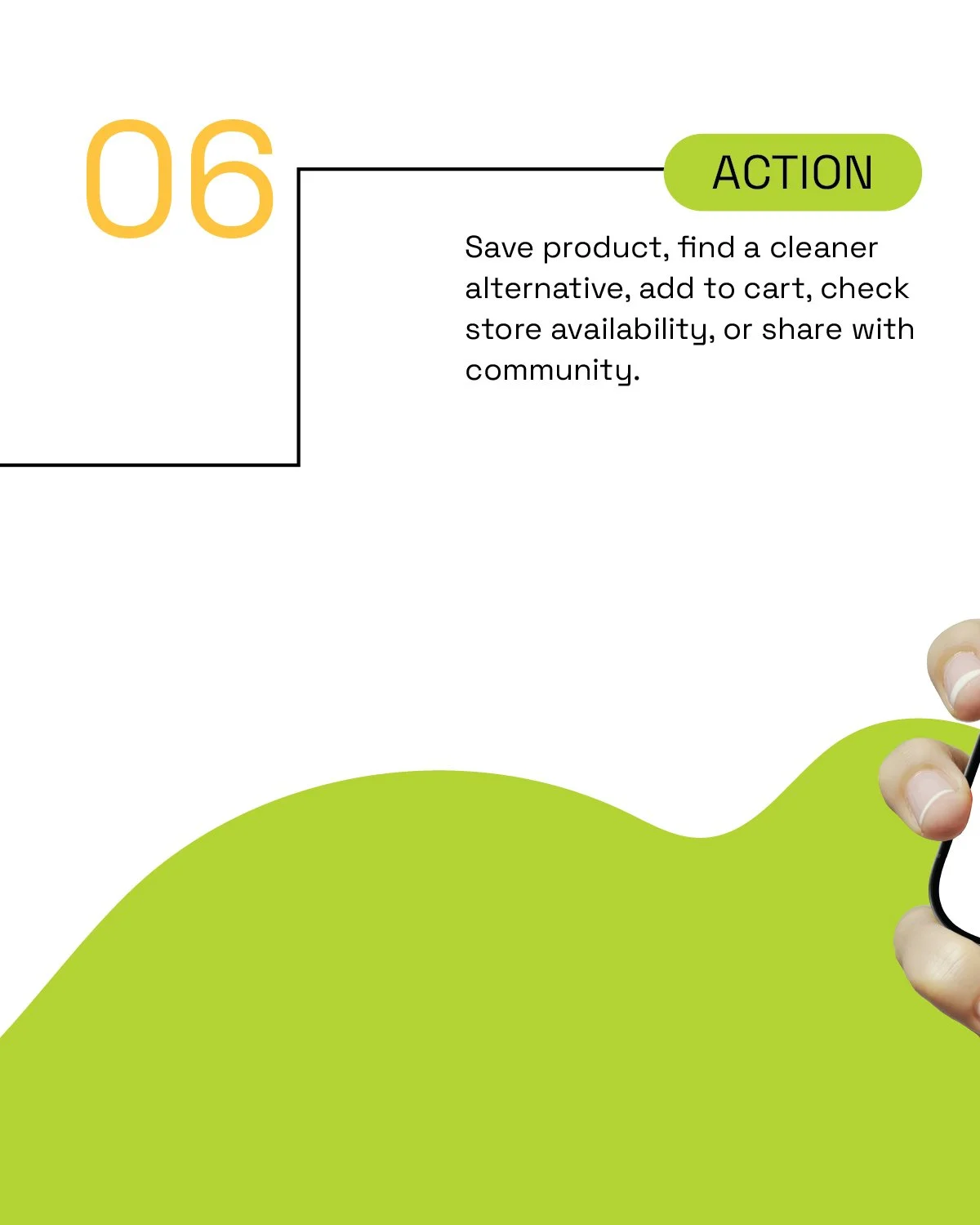
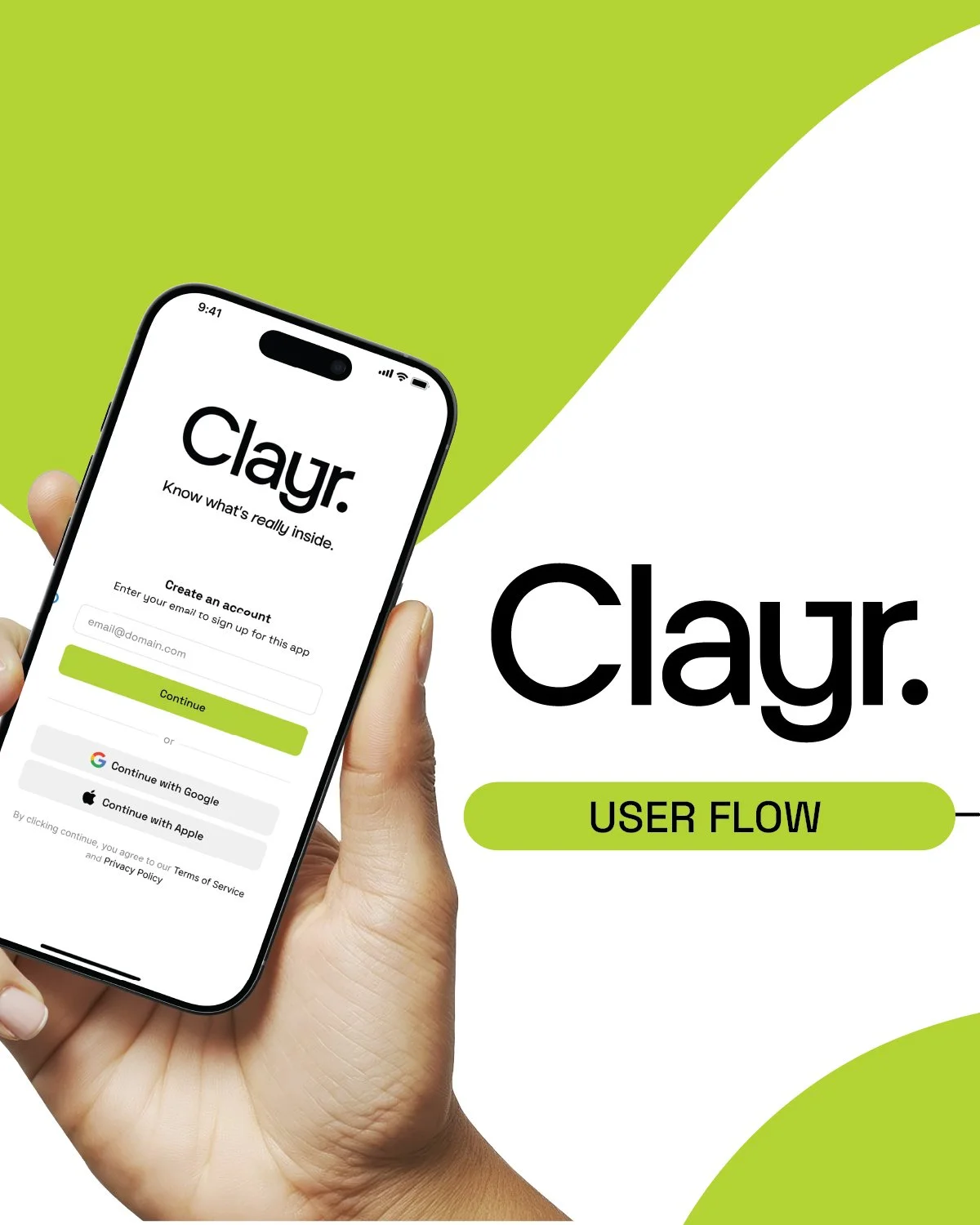
Three entry paths converge into one AI engine and one clear outcome, designed to be fast enough for the grocery aisle and rich enough for the planning session at home.
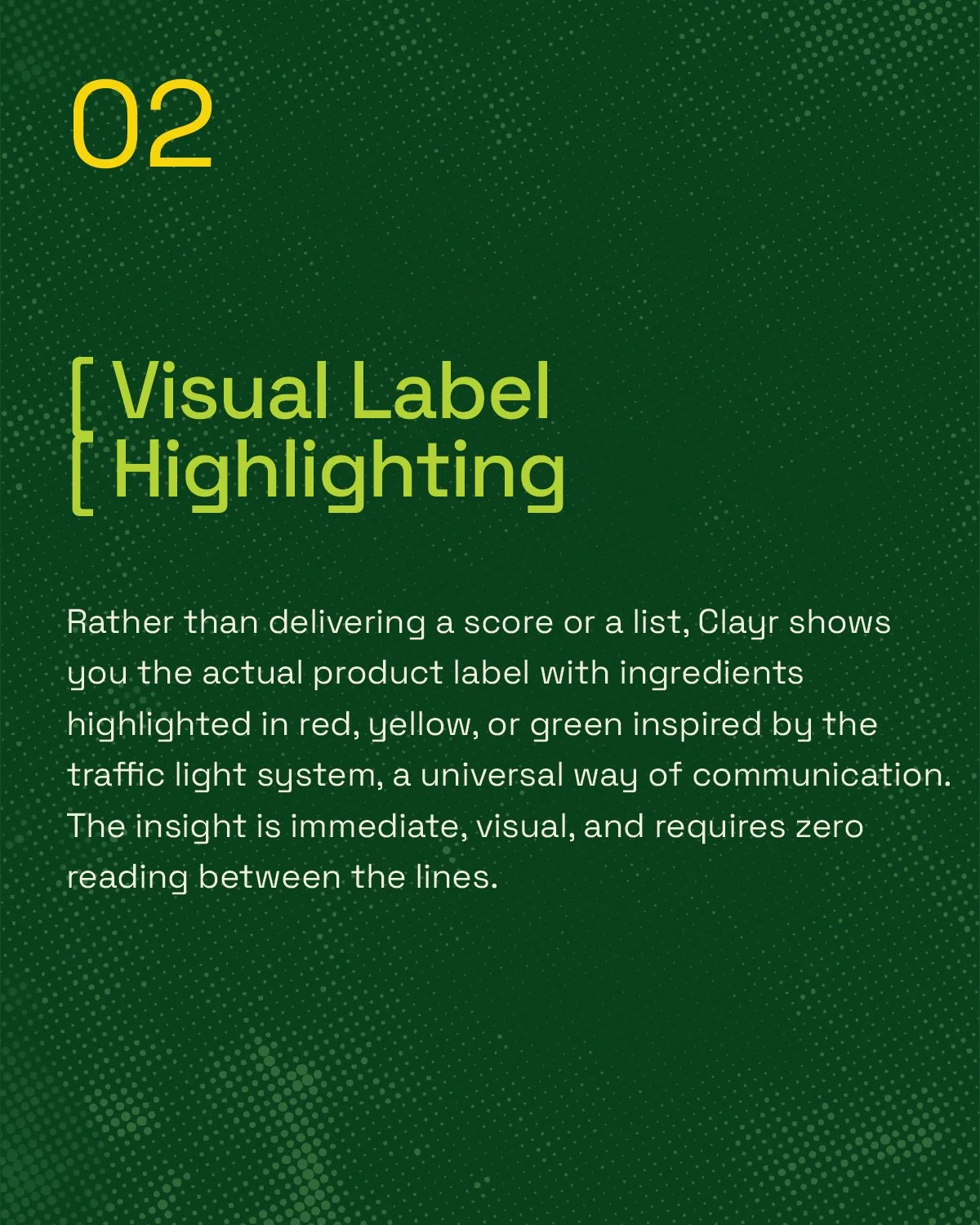
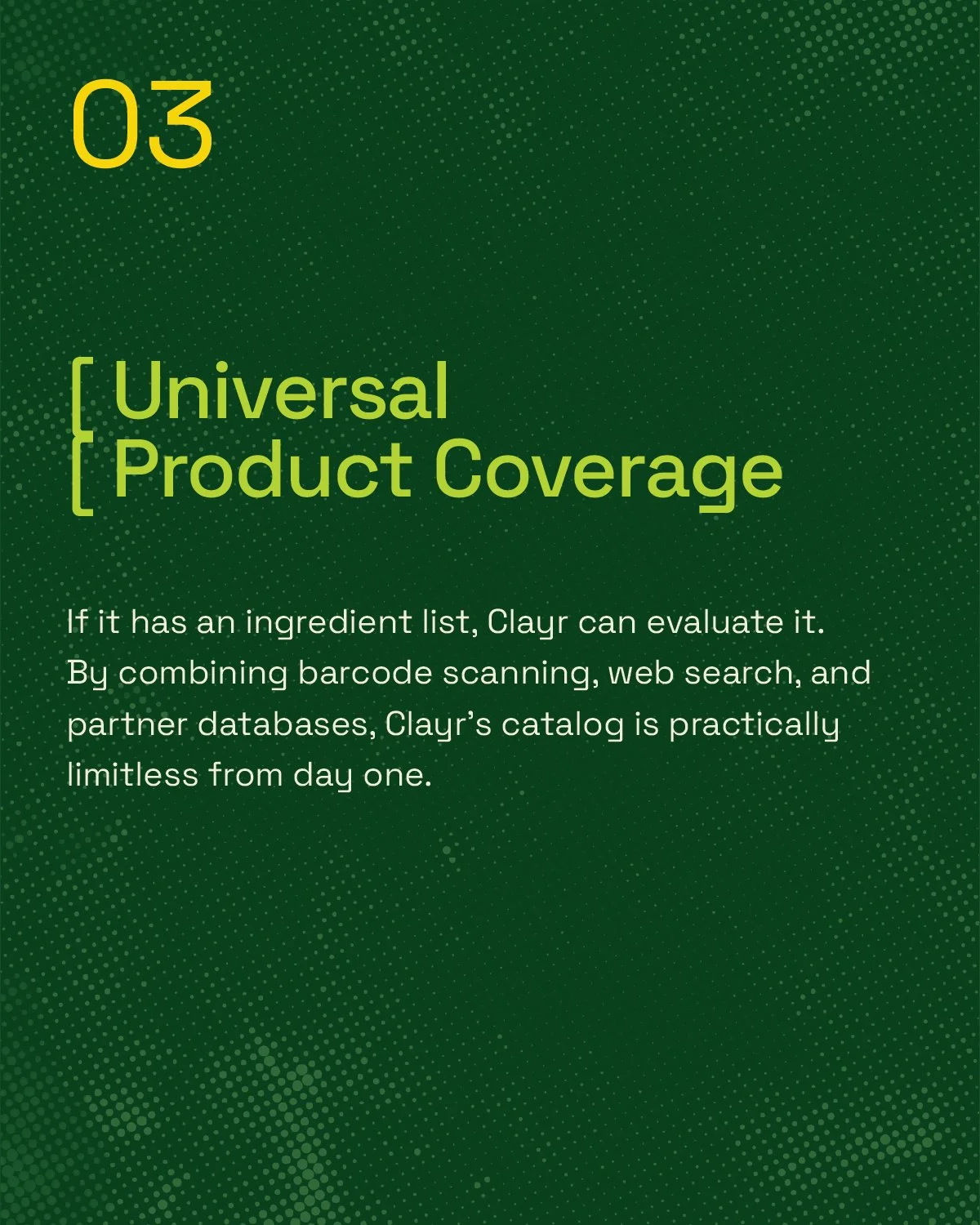
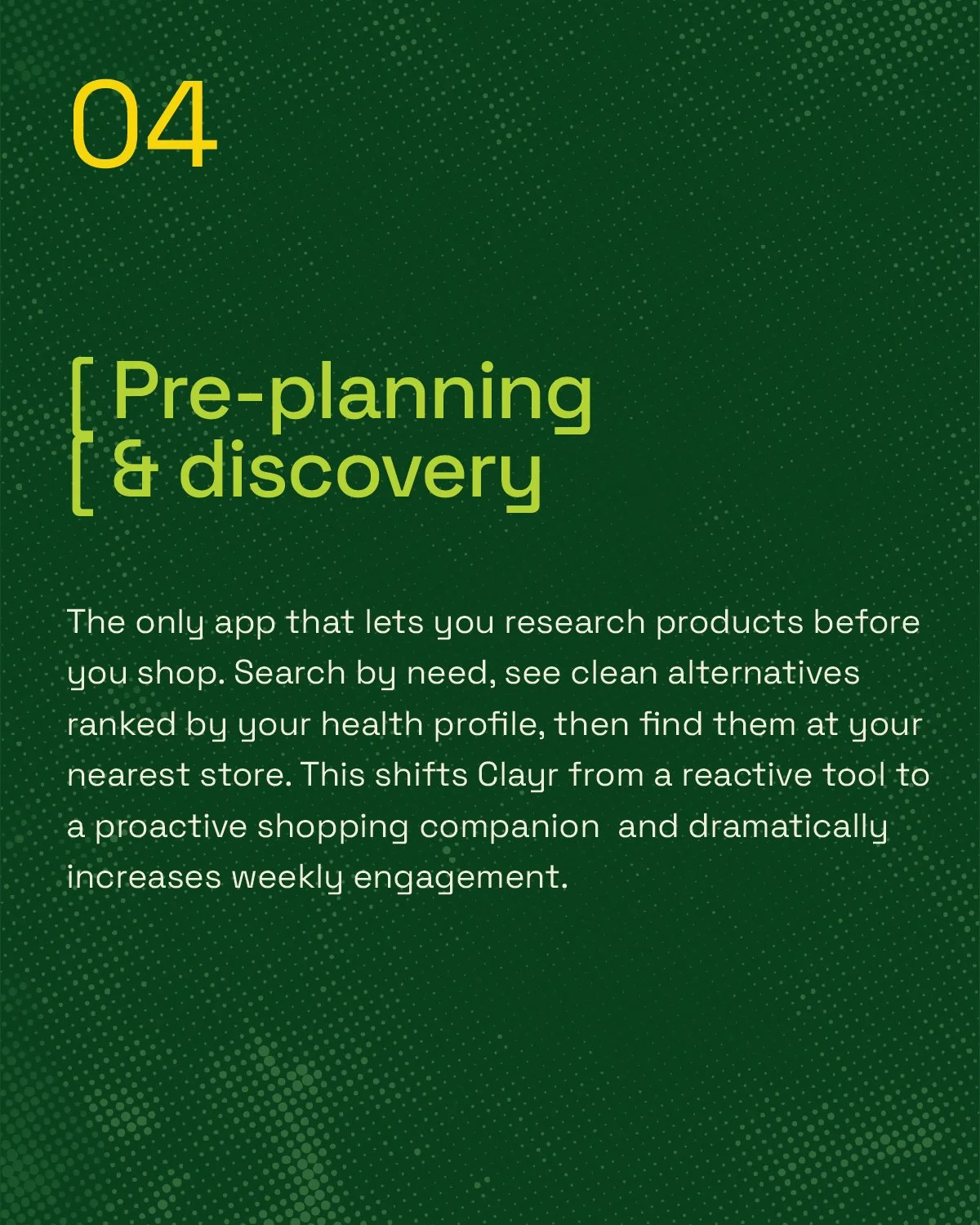
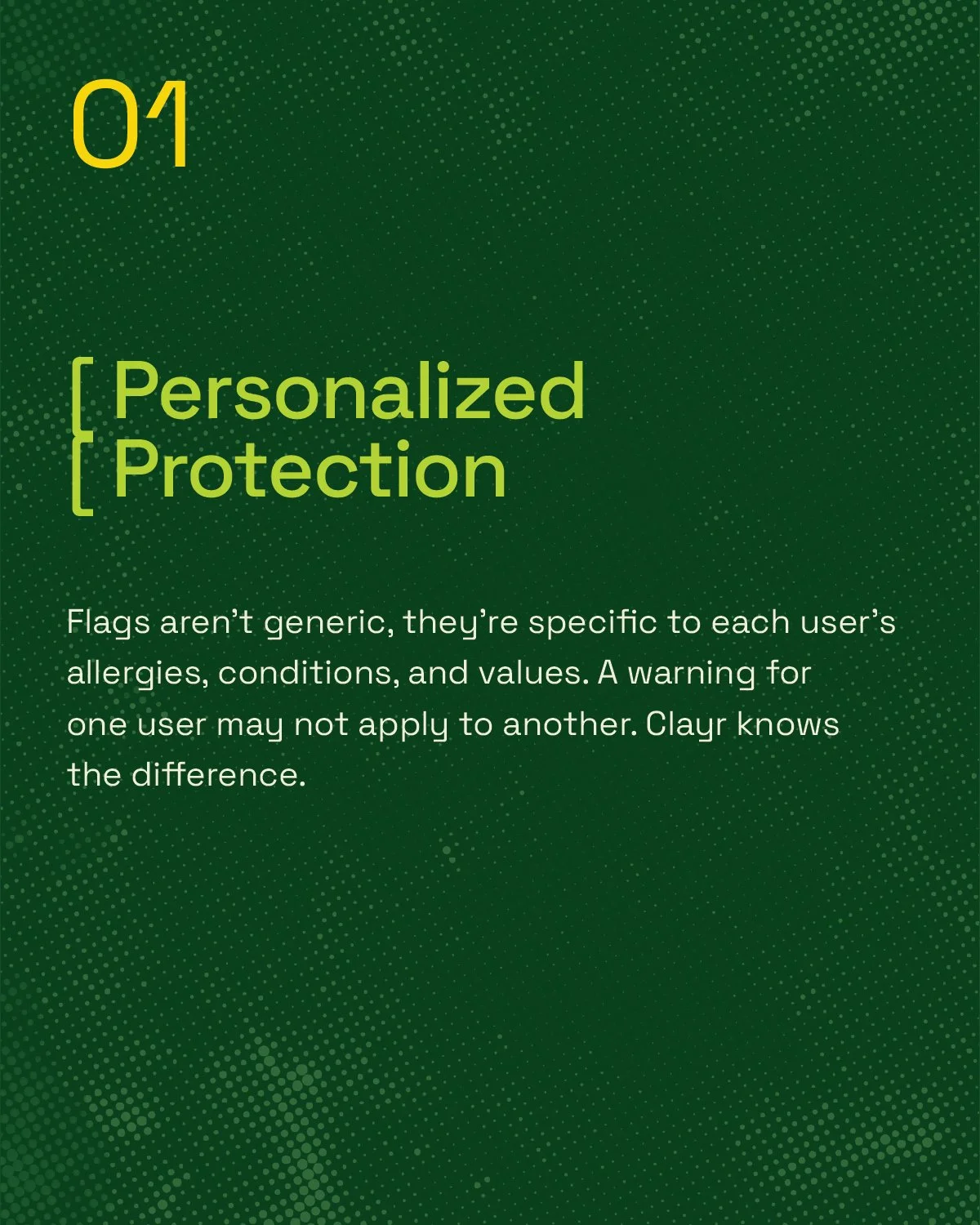
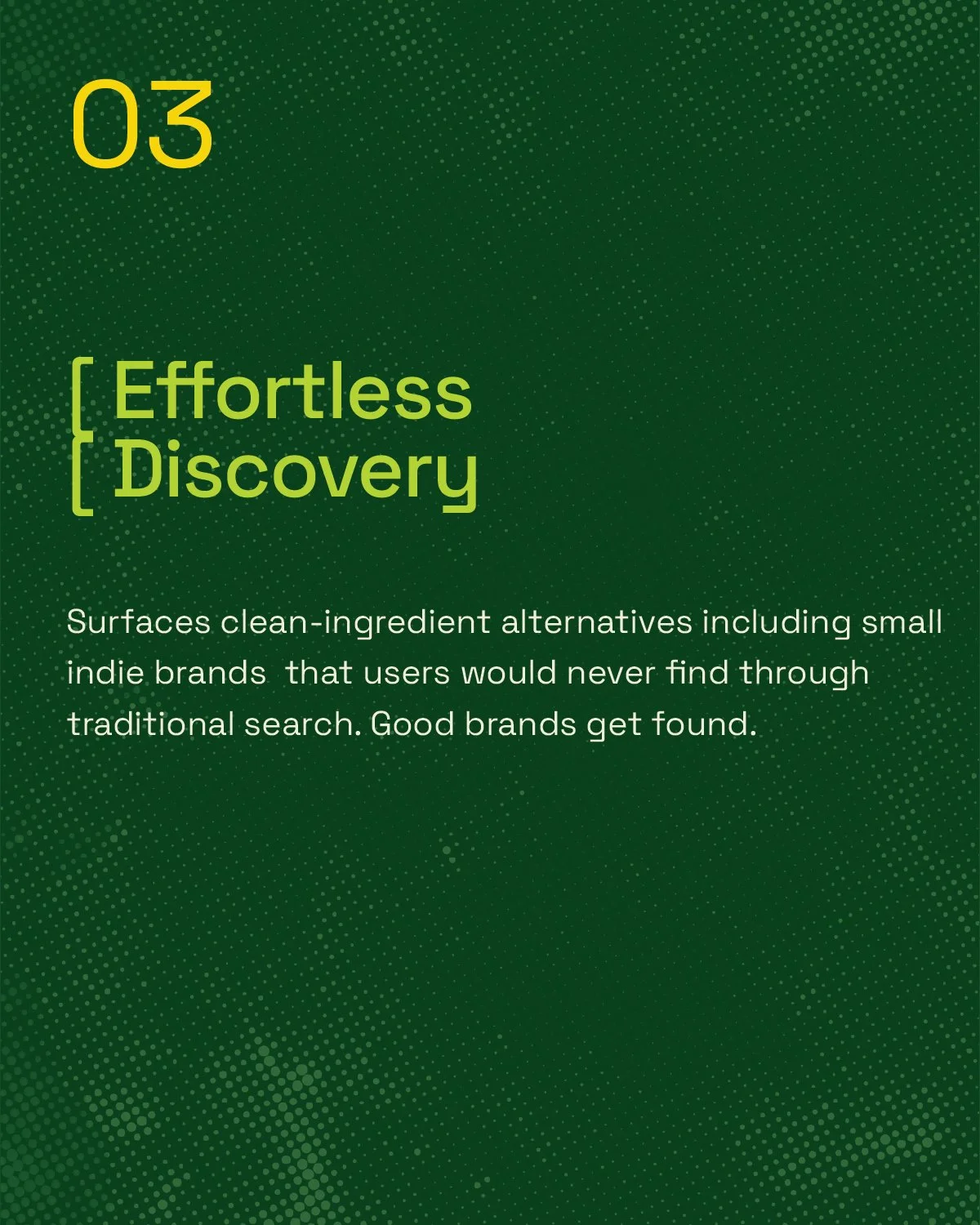
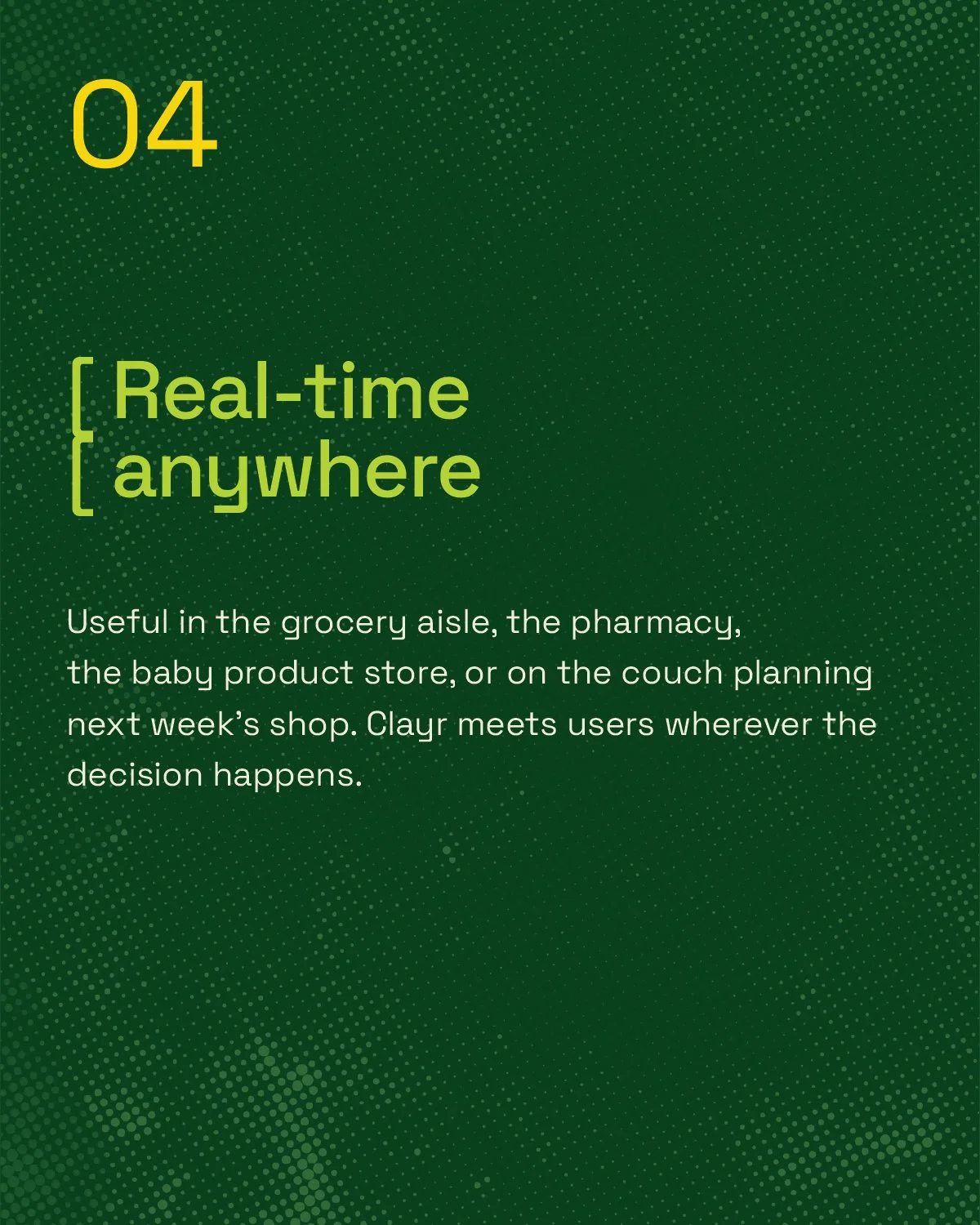
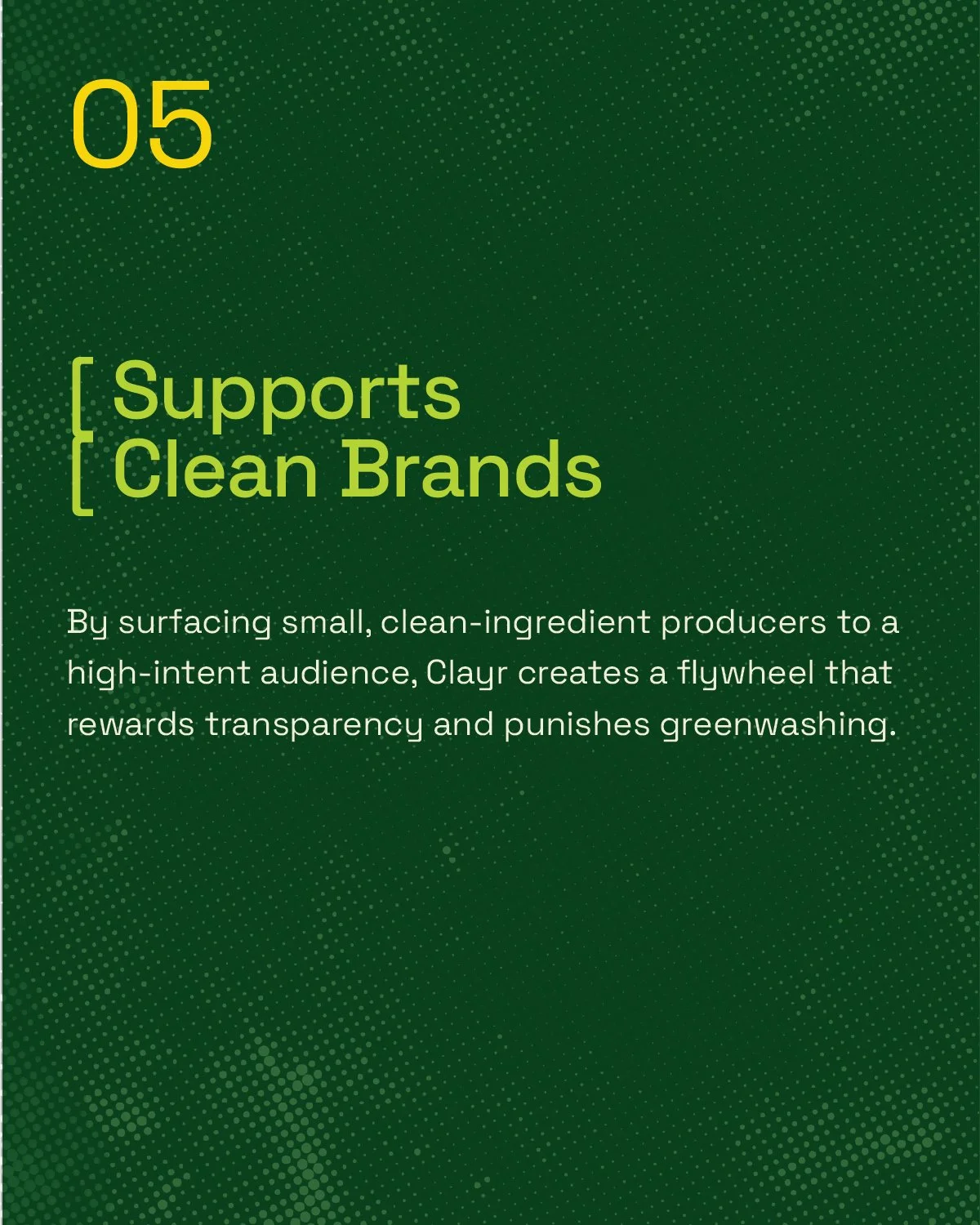
WHAT MAKES CLAYR DIFFERENT?

BRAND IDENTITY